
Worst Errors Revealed by Chicken Road Game Gamers in UK
Report on DotBig ltd fx agent
enero 7, 2026Geriatric Healthcare Appointment Olympus Slot Gates Senior Health in United Kingdom
enero 7, 2026Worst Errors Revealed by Chicken Road Game Gamers in UK
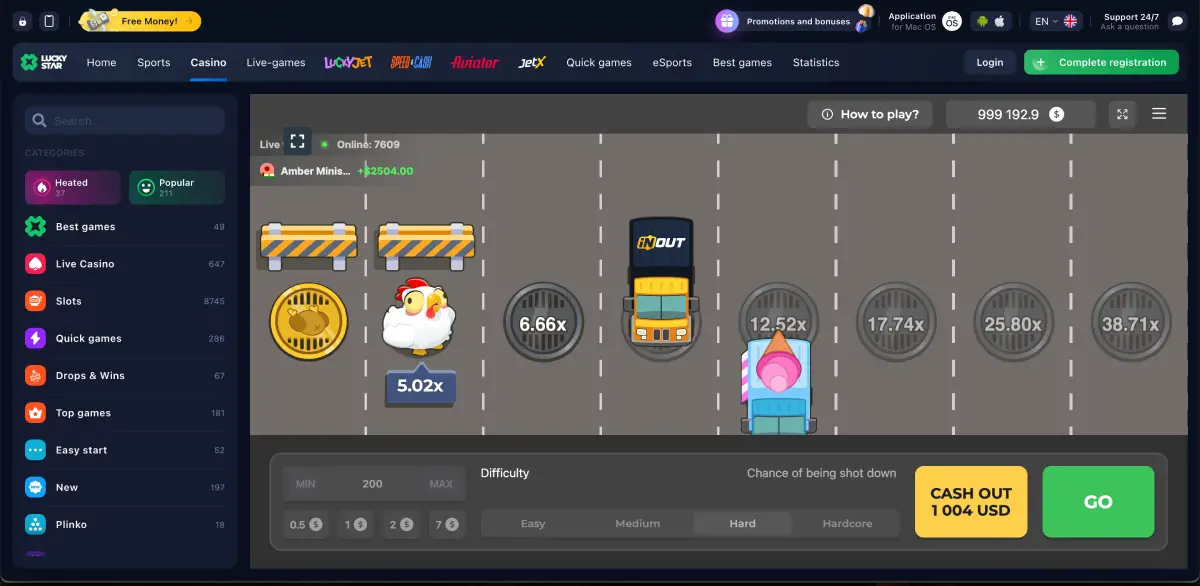
In the Chicken Road game, UK gamers often confront a myriad of pitfalls that hinder their progress. Mistakes, from miscalculating paths to ignoring key rules, reveal how impatience and arrogance can undermine even the best strategies. Many gamers have revealed their experiences, emphasizing the thin line between exciting gameplay and exasperating mistakes. What emerges from these revelations is not just a catalog of errors, but a deeper comprehension of the game’s dynamics and human behavior. What insights lie in these humorous failures?
Miscalculated Paths: The Price of Faulty Decisions
When players immerse themselves in the Chicken Road game, they often misjudge the effect of their navigational choices. Misestimated paths can lead to devastating outcomes, creating a domino effect on their overall performance. Each decision, whether to take the scenic route or the quick path, carries weight. Gamers frequently emphasize speed, ignoring to evaluate the surrounding risks and rewards. A poorly evaluated turn not only loses valuable time but may also mean forfeiting hard-earned resources. Awareness of the environment, along with strategic foresight, becomes essential in mastering the game. Consequently, building an intuitive understanding of potential paths fosters better decision-making. Acknowledging the stakes of each directional choice is the first step toward becoming a formidable competitor in Chicken Road.
The Case of the Incorrect Turn
In the Chicken Road game, route errors can lead to considerable setbacks. When gamers take a wrong turn, not only do they squander valuable time, but they also interrupt their overall gameplay experience. Grasping these directional pitfalls reveals how vital map awareness and strategic preparation are to success in the game.
Navigation Errors Revealed
While many players immerse themselves in the Chicken Road game with enthusiasm, a common trap lurks in their navigation decisions—taking the wrong turn. This mistake isn’t just a minor hindrance; it greatly disrupts a player’s strategic flow. Navigational mistakes can stem from various factors, leading players off course:
- Impatience
- Lack of Familiarity
- Overconfidence
- Inattention
Recognizing these elements can enable players to make more educated navigation decisions, ultimately enhancing their gameplay and preventing annoying setbacks.
Impact on Gameplay Experience
Taking a wrong turn in Chicken Road significantly alters the gameplay experience, often leaving players frustrated and confused. This blunder can lead to snowballing consequences, hindering strategic progress and exposing players to unnecessary risks. As the journey progresses, the original goal morphs into a maze of distractions, detracting from the engaging allure of the game. Players often find themselves backtracking steps or facing preventable obstacles, which reduces the reward of exploration and achievement. Additionally, this detour can erode confidence, with players second-guessing future navigational decisions. Ultimately, the impact of a wrong turn stretches beyond mere spatial miscalculations; it disrupts the flow of gameplay, challenging the player’s ability to engage, adjust, and master the intricacies of Chicken Road’s ever-changing landscape.
Forgetting Key Rules: A Recipe for Disaster
When participants disregard the fundamental rules of Chicken Road, they position themselves for unavoidable failure. This oversight often causes unfortunate blunders that could have effortlessly been circumvented. Understanding key game features is vital, as neglecting to do so can impede one’s development. Here are some common breaches gamers make:
- Overlooking movement patterns, which can result in unexpected crashes.
- Overlooking enhancements, overlooking opportunities for strategic gains.
- Neglecting to employ the surroundings, resulting in overlooked shortcuts.
- Neglecting to communicate effectively with allies, leading to disjointed actions.
Mastery of Chicken Road necessitates strict adherence to these guidelines. Ignoring them alters the game from a enjoyable task into a vexing situation, eventually limiting participants’ ability for success.
Overassured Decisions That Backfired

Many players undervalue the consequences of their choices, often resulting in disastrous results. Ignoring hazardous grounds, overextending resources too prematurely, and underestimating enemy power can swiftly turn a favorable match into a exasperating defeat. It’s crucial to equilibrate self-belief with caution to avoid these frequent errors.
Overlooking Risky Areas
Arrogance often causes gamers of Chicken Road to misjudge the obstacles associated with hazardous terrain. Many plunge into perilous areas without adequate planning, leading to ruinous reversals. Players fail to realize that risky grounds demands thorough preparation and precision. The subsequent common traps highlight this trend:
- Overlooking terrain assessment
- Overestimating their capabilities
Overextending Resources Early
While it might seem advantageous to plunge headfirst into challenges, players often find that overextending their resources early in the Chicken Road game can lead to significant setbacks. Many players, motivated by arrogance, allocate too much energy or assets to initial moves, inadvertently limiting their options later. This impulsive strategy often results in vulnerability, exposing them to more tactical failures as opponents take advantage of their depleted resources. Instead of a quick victory, players who overextend tend to face a slow breakdown of their campaign, as they scramble to recover lost ground. Mastery isn’t about aggressive plays; it requires a measured approach, allowing for resilience and strategic flexibility as circumstances progress. Therefore, underestimating resource management can prove disastrous.
Misjudging Enemy Strength
A common pitfall for players in the Chicken Road game is misjudging their opponents’ strength, which often leads to disastrous outcomes. Overconfidence can cloud judgment, resulting in hazardous decisions. Players often underestimate their foes, forgetting that each decision carries considerable weight. Here are key factors that contribute to this error:
- Disregarding Player History
- Overvaluing Personal Skills
- Misreading Game interactions
Steering clear of these misjudgments boosts strategic play and encourages mastery.
Not Paying Attention: The Ultimate Distraction
Diversion can be a player’s biggest enemy in the Chicken Road Game. It often appears through external factors—noisy surroundings, garrulous allies, or even the attraction of social media. Players who undervalue the influence of these distractions find themselves making vital errors, overlooking strategies, or overlooking crucial opportunities. Mastery of the game demands constant focus; a moment’s lapse can cause disaster, whether that’s colliding with an enemy henchman or not gathering necessary items.
Furthermore, when players split their attention, they greatly decrease their situational awareness. Triumphant players create techniques to lessen distractions, like creating a distraction-free environment and employing mindfulness. By sharpening their concentration, they boost their gameplay and increase their chances of success, showing that paying attention is a crucial skill.
Choosing the Wrong Allies: Lessons in Team Dynamics
When players erroneously trust the wrong teammates in the Chicken Road Game, they often set themselves up for failure. The interplay of teamwork plays a vital role in achieving success, yet misinterpretation leads to uncoordinated efforts. Players must acknowledge key points to enhance their collaborative experience: https://chicken-road-demo.eu/
- Judge players’ past performance and reliability.
- Communicate openly to measure intent and willingness.
- Watch body language for hidden agendas.
- Be adaptable; review connections as the game progresses.
Brushing It Off: the Best Blunders Shared
In the chaotic world of the Chicken Road Game, players often find themselves laughing at their most memorable blunders, turning mistakes into shared moments of fun. These comical anecdotes shed light on the game’s capricious nature and foster a sense of community among players. For instance, one player recounted unintentionally steering their character into a rival’s path, resulting in an unintentional but hilarious collision. Such slip-ups can spark lively discussions about strategy and decision-making, underscoring the necessity of tenacity and versatility in gameplay. This ability to dismiss mistakes not only betters the gaming experience but also encourages a growth mindset. By embracing these blunders, players not only improve their tactical skills but also strengthen their connections with fellow gamers.
Conclusion
To summarize, the experiences shared by Chicken Road players highlight the complex balance between speed and strategy. Missteps originating from self-assurance, distractions, and miscalculations serve as vital lessons for gamers aiming to enhance their gameplay. Each blunder fosters a sense of community, allowing players to bond over shared experiences and acquire knowledge from one another. Ultimately, these mistakes not only enrich the individual journey but also contribute to the collective wisdom of the Chicken Road gaming community.
